The Extremes of the Earth
South Pole and North Pole: two unforgettable expeditions
The Extremes of the Earth
South Pole and North Pole: two unforgettable expeditions
South Pole: the white heart of the Earth
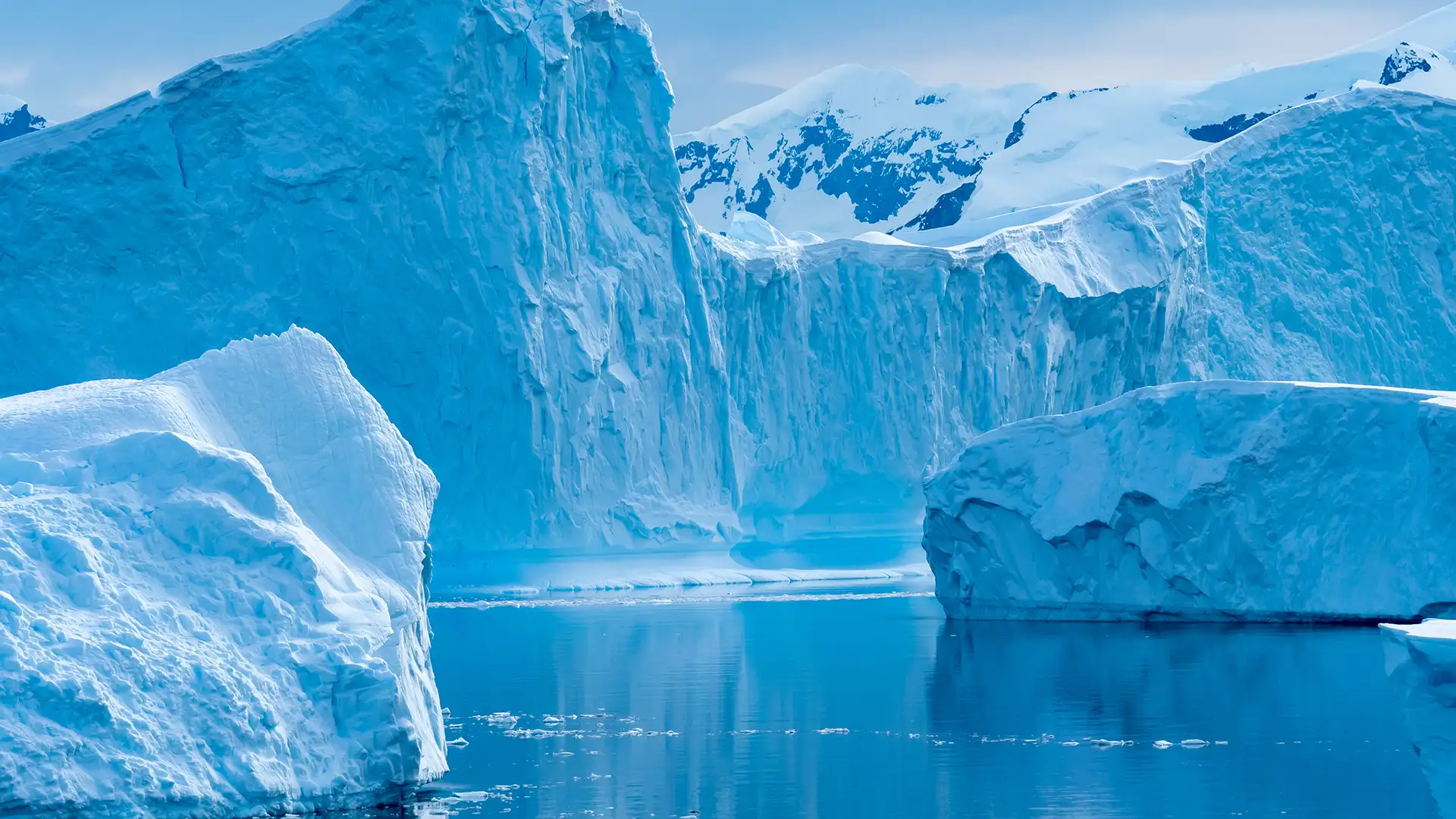
Exploring the Antarctic interior is entering a world unlike any other. After having visited the Antarctic Peninsula years before, this time the goal was not to see penguins or glaciers: it was to reach the geographic South Pole, a point lost in the center of the planet's most inhospitable continent. The journey began in Cape Town heading to Echo Camp, a futuristic camp built on a desert of ice, where night blends with day and the silence is so deep it seems like a sound of its own.
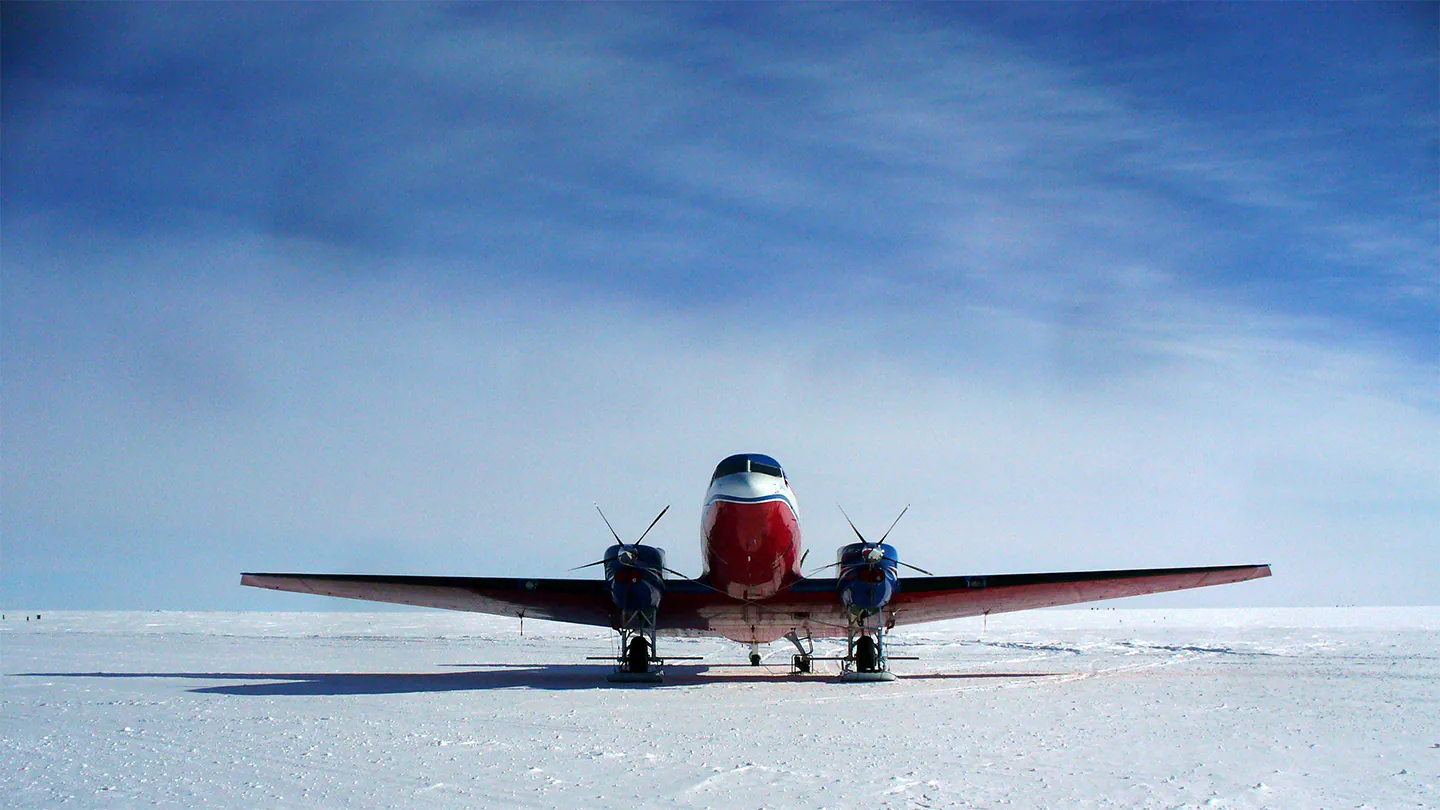
From Echo Camp, the expedition continued in a modified DC-3 that lands directly on blue ice. Flying over a completely white continent, without mountains, trees, or cities, gives the sensation of traveling over a blank page. As the plane advances, the mind tries to find references, but there are none; the landscape eliminates all notion of distance or scale.
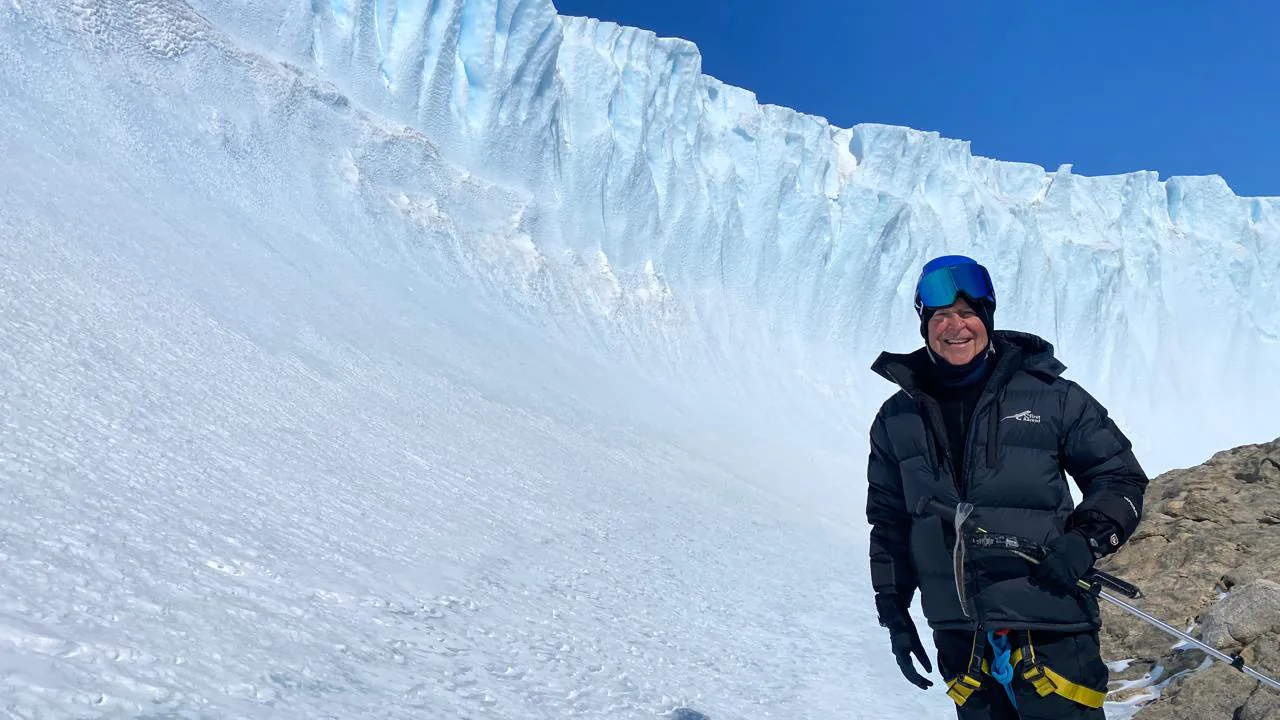
Upon reaching the South Pole, the experience is as physical as it is emotional. Temperatures of -30°F even in summer make any movement a challenge; breathing becomes more conscious, and each step is felt in layers of clothing that weigh almost as much as the body itself. There are no animals, no life, no marked seasons: just a marker indicating "90° South" and a wind that has blown like this for centuries.
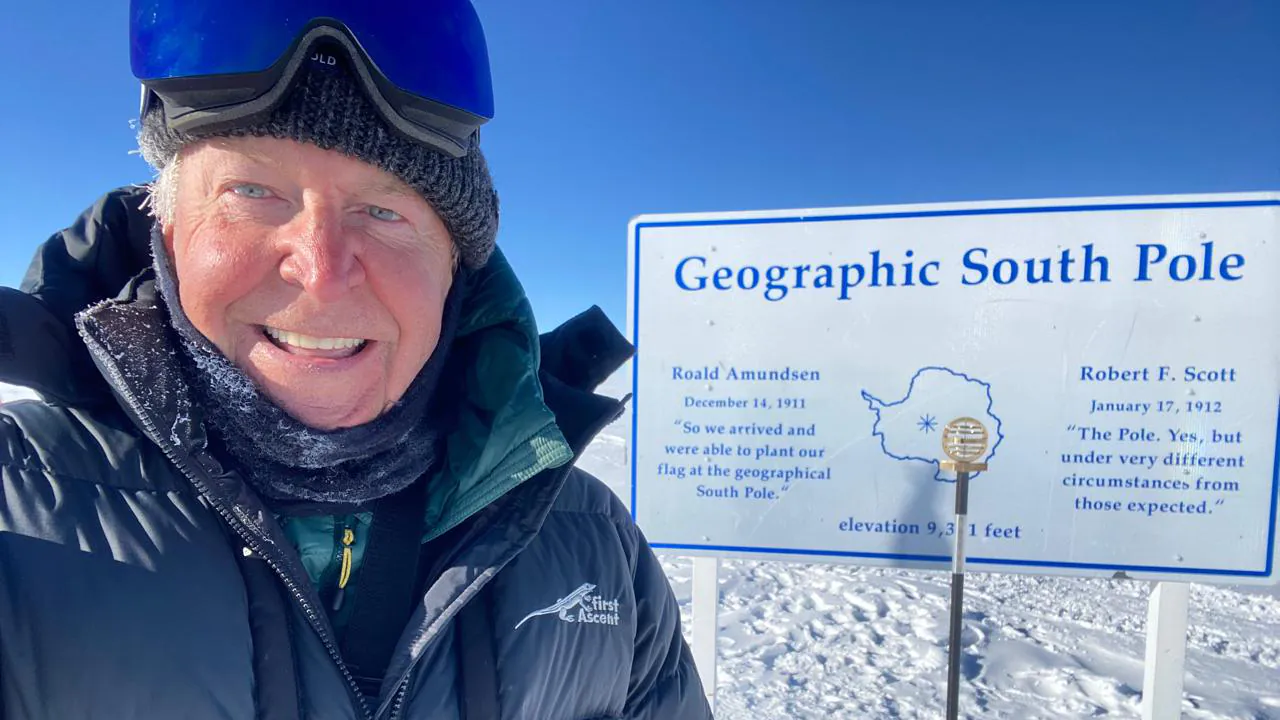
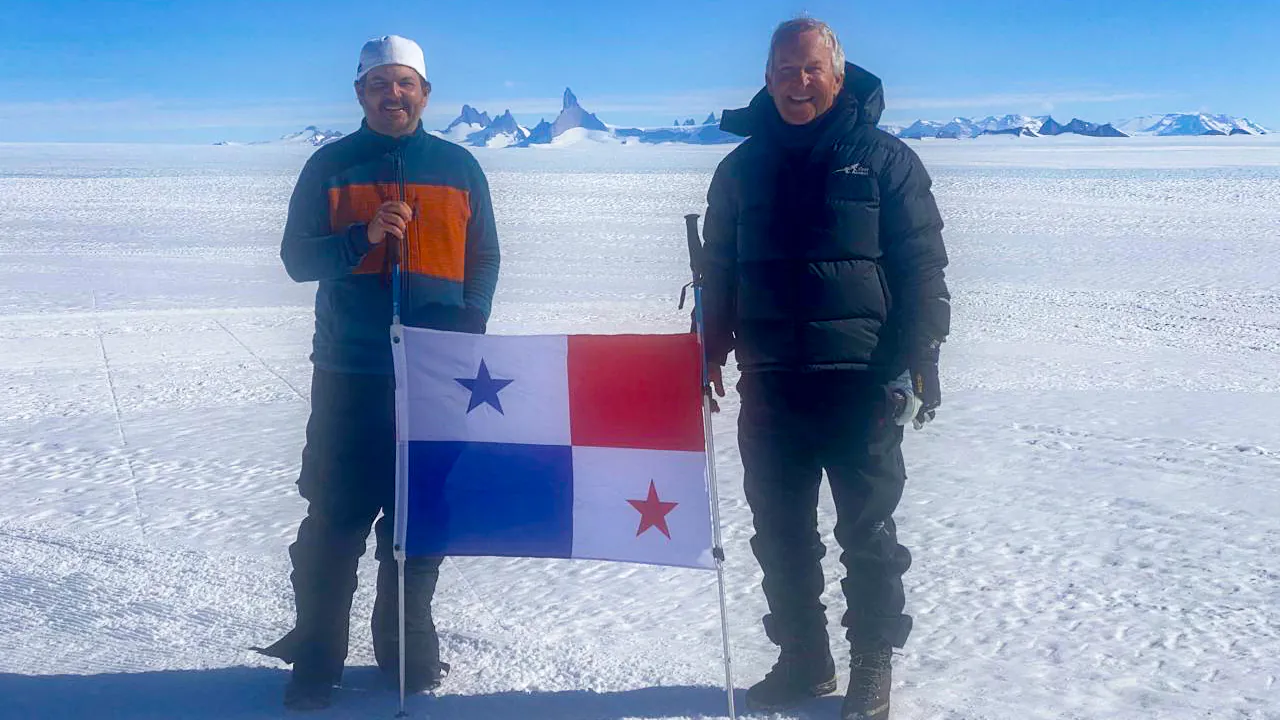
Sleeping in tents on the ice, far from any trace of civilization, transforms the experience into an exercise in introspection. No phones, no noise, no lights. Only the absolute purity of a place that has remained almost intact for millions of years. The South Pole is not just a destination: it is a demonstration of how remote and fragile our planet can be.
North Pole: the ice that never stays still
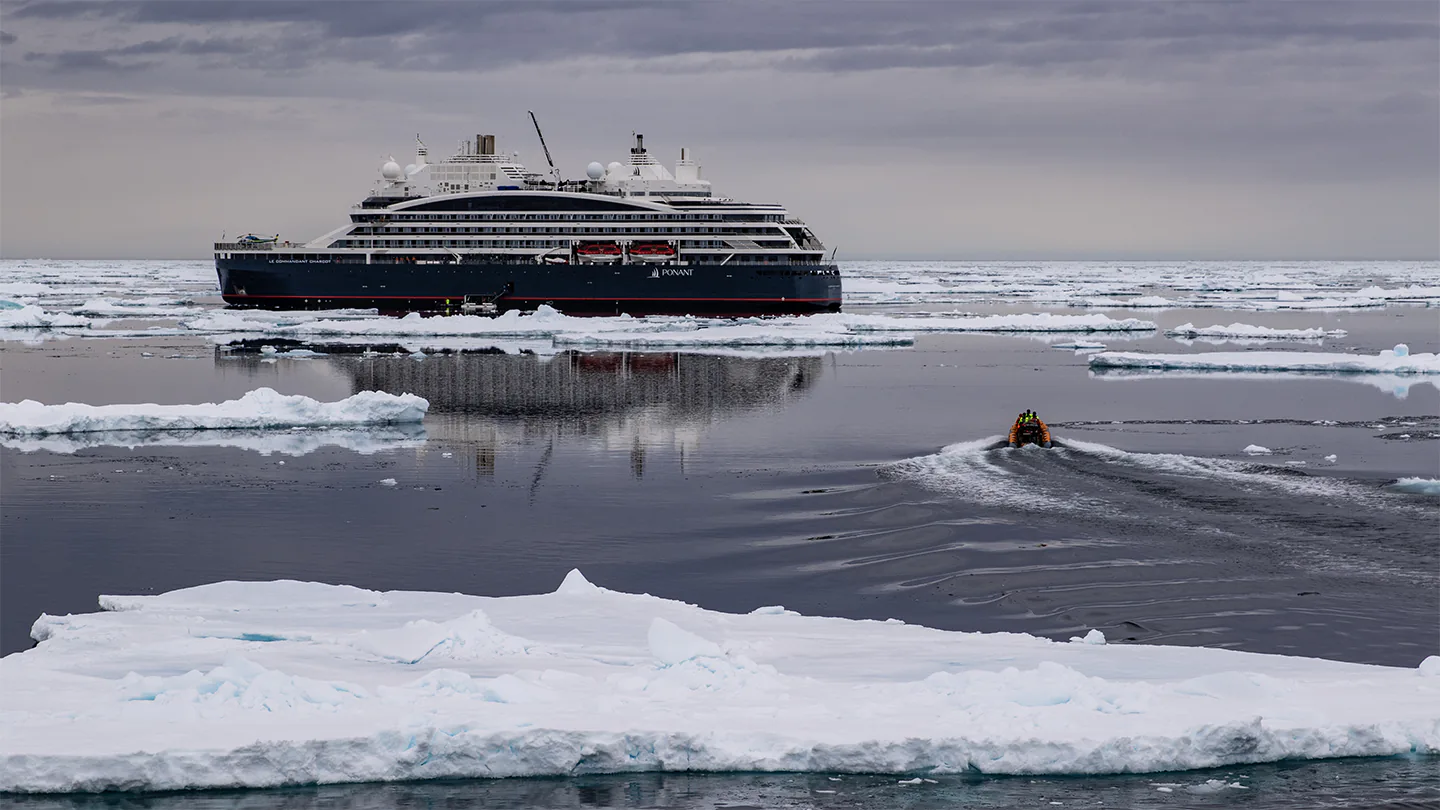
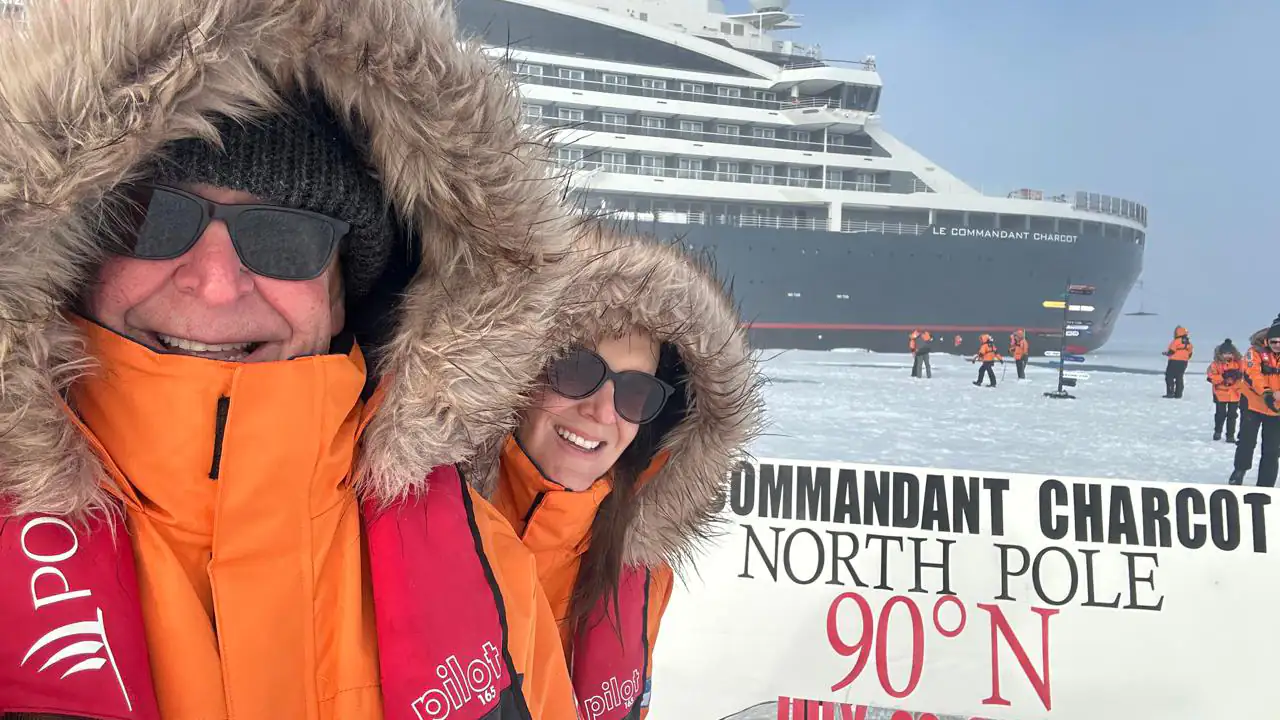
The North Pole is the other side of the polar world. Unlike the South, you don't reach a continent, but a floating mass of ice over the Arctic Ocean. The path to this extreme began with several frustrated attempts: the cancellation of the Barneo camp in 2020, political limitations, and routes that closed due to the pandemic. Even so, the desire to complete the polar circle remained firm. In 2024, the opportunity finally arrived when Jaime boarded the icebreaker Le Commandant Charcot, a vessel designed to advance through thick layers of sea ice.
Sailing toward the deep north is witnessing a changing spectacle: blocks of ice colliding with each other, cracks opening as the ship passes, and a white surface that is never still. Unlike the absolute silence of the South Pole, here the landscape has life, movement, and sound. The icebreaker advances slowly but with determination, carving a path through sea ice that can be several meters thick.
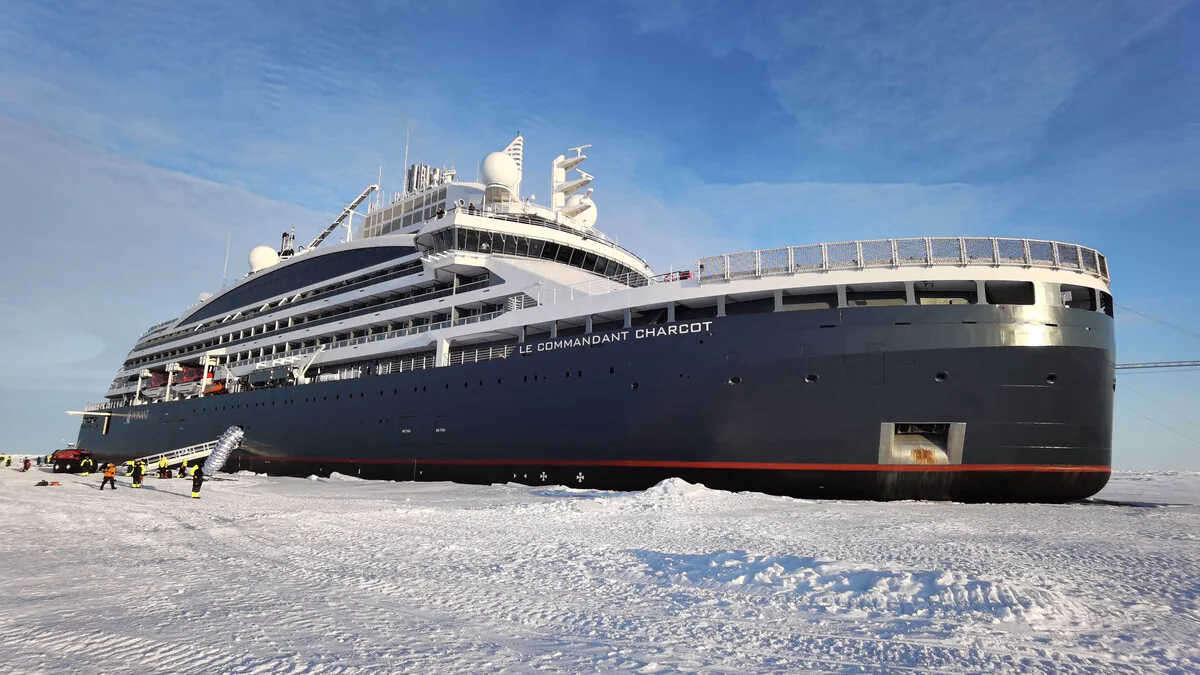
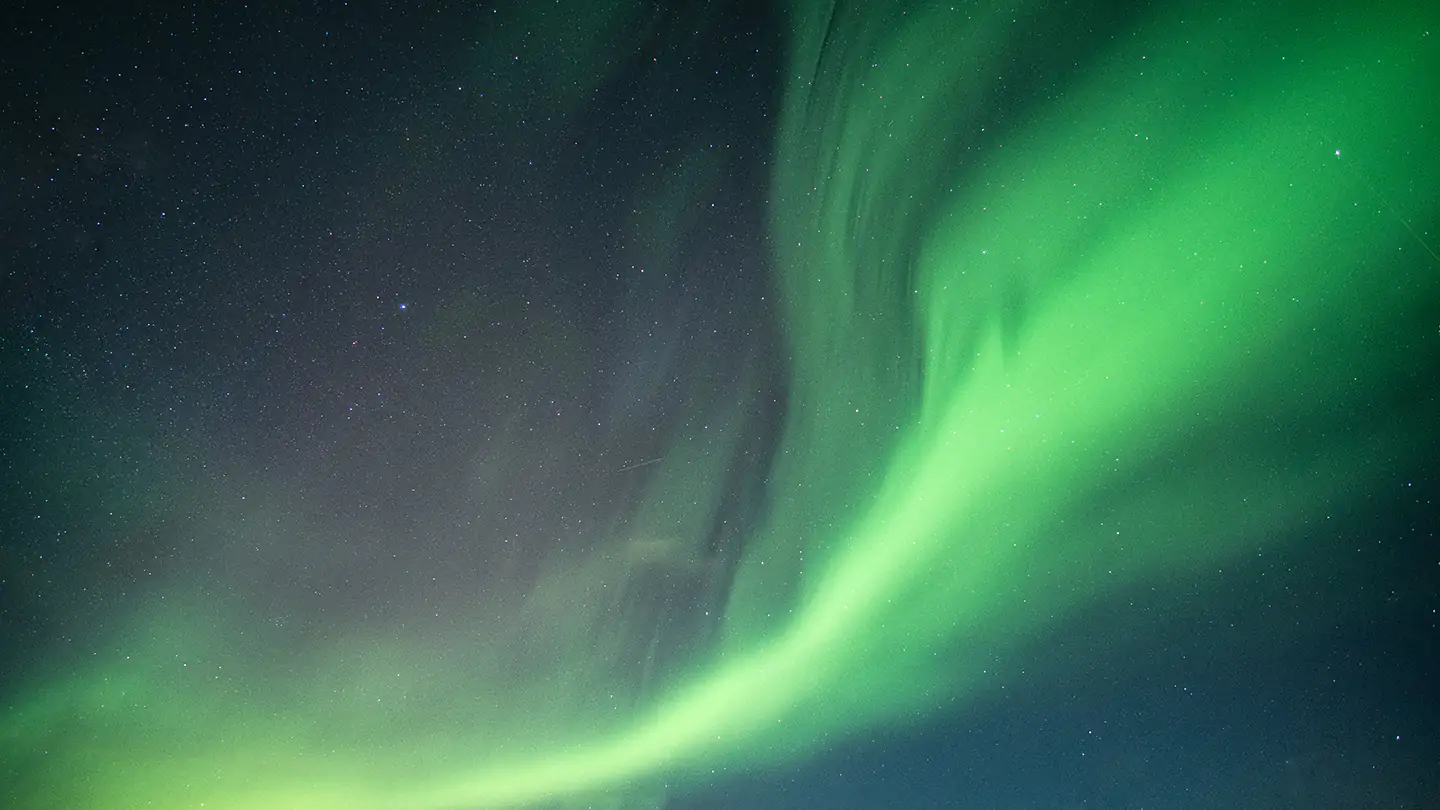
The journey includes moments of wonder: polar bears prowling on ice platforms, lights changing with the Arctic climate, and an undulating horizon that seems to breathe. There are no cities, lighthouses, or mountains; just an ocean covered by a frozen shell that breaks and remakes itself constantly. Arctic wildlife, though sparse, adds a unique dimension to this expedition.
When the icebreaker finally reached the geographic North Pole, the sensation was very different from the south. Instead of stepping on a continent, you step on ice that slowly drifts with the currents. It is not a fixed place: every second the point moves slightly, reminding us that the absolute north is not a stable site, but an instant. There, with the entire globe beneath your feet, the experience becomes profoundly symbolic: the end of the map is not a border, but a viewpoint to the rest of the planet.